By Disrupt PR | 2025 Bulldog PR Awards Gold Winner, Best Boutique Agency
The Cracker Barrel rebrand backlash comes down to one mistake: the company changed a symbol its customers felt they owned, and customers found out from an announcement instead of being brought along first. It recovered as well as it did because it listened fast, reversed in a week, said so in plain language, and then went back to work on the food.
Here’s how that week actually went.
On Tuesday, August 19, 2025, Cracker Barrel showed the country its new logo (Reuters). The Old Timer was gone. A Nashville designer named Bill Holley had sketched the logo on a napkin in 1977 (CNN), and for nearly fifty years that man in overalls had leaned against his barrel on signs across America. In his place: the company name, in a clean new font on a yellow background.
Within two days, the internet had decided what it meant. Conservatives called it “woke.” Donald Trump Jr. went after the company on X. Fox News ran segment after segment (The Independent). On Thursday, the stock fell as much as 13% by midday (Reuters).
By the following Tuesday, the President of the United States was weighing in. “Cracker Barrel should go back to the old logo, admit a mistake based on customer response (the ultimate Poll) and manage the company better than ever before,” Donald Trump posted on Truth Social. Hours later, the company did exactly that: “We said we would listen, and we have. Our new logo is going away and our ‘Old Timer’ will remain” (CNBC).
One week. A design that took months to build, gone in seven days.
A few months later, the CEO who led the change told Glenn Beck she’d felt “fired by America” (The Independent).
I spent years in newsrooms, and I can tell you how a story like this looks from the assignment desk. It has everything: a beloved brand, a picture anyone can understand in one second (old logo, new logo, side by side), angry customers who’ll go on camera, and now politics. Every outlet in the country could localize it by sending a crew to the nearest Cracker Barrel parking lot. Stories like that don’t get covered for a day. They get covered until the company gives reporters a new ending.
Fourteen months later, The Independent’s J.R. Duren asked a group of PR and marketing experts what other brands should take from it, and I was one of them. As I told The Independent:
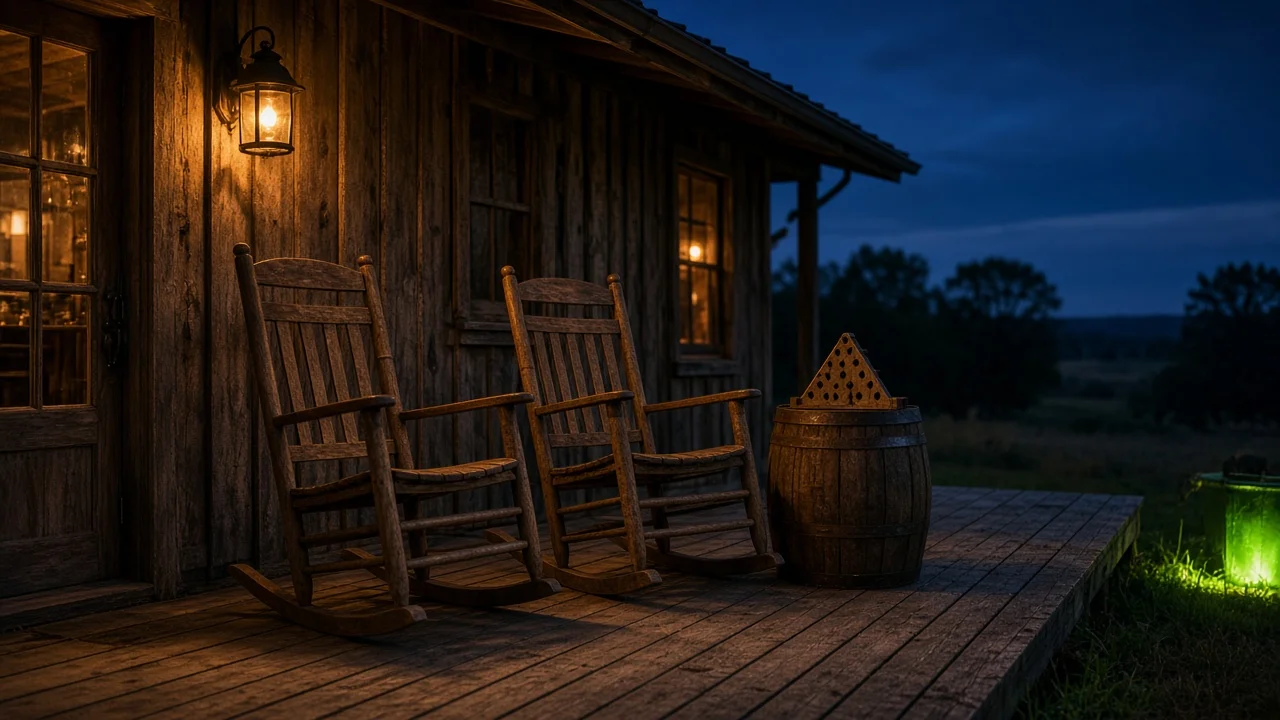
“You don’t own your heritage, you rent it from your customers. Move the pegs around all you want, but don’t take away the board. Change the kitchen, the app and the supply chain, and leave the rocking chairs on the porch. If you have to touch a symbol, show it to your angriest loyal customers first, not your agency.”
So here’s the longer version: what actually happened, whether Cracker Barrel really bounced back, the seven lessons I’d give any company thinking about a rebrand, and what to do in the first 48 hours if it goes sideways anyway.
The short answer
The Cracker Barrel rebrand backlash happened because the company removed the Old Timer, the symbol customers most associated with what they loved about the brand, without bringing those customers along first. The backlash turned political within days, and the company reversed the logo a week after unveiling it.
If you only remember five things:
- You don’t own your heritage. Your customers do. Change what they don’t see before you change what they love.
- Test symbols with your most loyal (and most vocal) customers first, not just with your agency or your board.
- Explain the why before the reveal. If people learn about a change from a screenshot, someone else gets to explain it for you.
- Plan for politics. In 2026, any change to a heritage brand can become a culture war story overnight.
- A reversal stops the headlines, not the damage. Customers come back for the product, so fix the product too.
What actually happened with the Cracker Barrel rebrand (a timeline)
Here’s the sequence, with sources, because the details matter for the lessons:
- 2024: Cracker Barrel lays out a transformation plan that includes “evolving the store and guest experience,” with plans to remodel 25 to 30 stores in fiscal 2025 (CNBC). CEO Julie Felss Masino says research showed the brand needed to “regain relevancy” (CNN).
- August 19, 2025: The new logo is unveiled. The Old Timer and the words “Old Country Store” are dropped (Reuters, CNBC).
- August 21: Shares fall as much as 13% by midday (Reuters). The Independent puts the loss at nearly $100 million of stock value in the days after the announcement (The Independent).
- August 25: The company says, “We could’ve done a better job sharing who we are and who we’ll always be,” and signals the Old Timer will return (CNN).
- August 26: Trump tells the company on Truth Social to go back to the old logo. Hours later, it does. Trump then congratulates the company (CNBC).
- August 27: Shares rise more than 8% in a day, close to erasing the losses from the announcement (CNBC).
- September 9: Cracker Barrel suspends its restaurant remodels. Only four of its 660 locations had the new design (AP). Its statement promised “the rocking chairs on the porch, our fireplaces and peg games” would stay (CNBC).
- September 2025 earnings call: The CFO says traffic was down about 1% in the first half of August, and down about 8% since August 19 (Q4 FY2025 call transcript, AP).
- December 9, 2025: First quarter revenue falls 5.7% to $797.2 million, and the company lowers its full-year outlook (Cracker Barrel).
- August 10, 2026: Masino steps down. David Deno, previously CEO of Outback Steakhouse owner Bloomin’ Brands, takes over (The Independent).
- September 23, 2026: Fourth quarter revenue beats the company’s own expectations. Comparable restaurant sales are down 2.1% and traffic is down 6.1%, but management describes the underlying traffic trend as gradually improving and forecasts restaurant comparable sales growth of 3% to 5% for fiscal 2027 (Cracker Barrel, FSR).
Did Cracker Barrel actually bounce back?
Honestly? Partly.
The headlines bounced back fast. The reversal ended the news cycle in a week, and the stock recovered most of its drop within days (CNBC). That’s the part a good apology can fix.
The business took longer. Full-year revenue for fiscal 2026 was about $3.32 billion, down from about $3.48 billion the year before (Cracker Barrel). The CEO changed. And the new one is talking about exactly what you’d expect: “our priority is going to be on food, experience and people… That’s how restaurant companies win” (The Independent).
So the comeback is real, but it’s a comeback built on biscuits, not branding. Which is the first clue for everyone else.
Lesson 1: You don’t own your heritage, you rent it
This is the line I gave The Independent, and I’d put it on the wall of every brand strategy meeting.
A logo you’ve had for fifty years isn’t a corporate asset anymore. It’s a memory. It’s road trips, grandparents, the rocking chair your kid climbed on while you waited for a table. Your customers have been paying rent on that memory for decades, and when you redesign it, they don’t see a fresh look. They see you taking something of theirs.
That doesn’t mean heritage brands can never change. It means you have to know whose permission you actually need.
Lesson 2: Know which parts are the pegs and which part is the board
If you’ve ever played the peg game on a Cracker Barrel table, you know the deal. Move the pegs around all you want. That’s the game. But take away the board, and there’s nothing left to play.
Every brand has both:
- The pegs: the kitchen, the menu, the app, the supply chain, the loyalty program, the checkout flow. Customers mostly care that these work. Change them as often as you need to.
- The board: the symbols, rituals and feelings people come for. For Cracker Barrel, that’s the Old Timer, the porch, the fireplace and the peg game itself (the company named most of those in its own statement when it suspended remodels).
Here’s the irony. The company’s own research reportedly pointed to food, value and convenience as places it was falling short (AP). Those are pegs. The logo was the board.
Before any rebrand, sit your team down and list both columns honestly. If something’s on the board list, the bar for changing it goes way up.
Lesson 3: Show it to your angriest loyal customers first, not your agency
Agencies (and I say this as someone who runs one) love a clean new look. Boards love a modern story for investors. Neither one is who’s going to be in the parking lot with a camera crew asking how they feel.
Before you touch a symbol, put it in front of the people most likely to hate it:
- Your longest-tenured, highest-frequency customers
- Your most vocal online fans (the ones who’ll post about it either way)
- Your frontline employees, who’ll hear about it first and loudest
- Someone who knows how reporters think, who can tell you what the side-by-side screenshot will look like on the evening news
If they hate it in a conference room, they’ll hate it more on the internet.
Lesson 4: Explain the why before anyone sees the what
According to The Independent, Cracker Barrel’s explanation for the new logo, that it was easier to read on highway signs, came out in an October 2025 Wall Street Journal report (The Independent). By then the logo was long gone.
That’s a reasonable business reason. It just arrived months after the screenshot did.
From the other side of the desk: when a story breaks, the first explanation that reaches reporters is usually the one that sticks. If your customers see the change before they hear the reason, the internet will supply its own reason, and it won’t be about highway signs.
The fix is sequencing:
- Tell loyal customers and employees the story behind the change first, ideally in your own words and your own channels.
- Lead with what’s staying, not just what’s new.
- Give reporters the why in the same breath as the what.
- Have a plain-language answer ready for the obvious question: “Why did you change something nobody asked you to change?”
Lesson 5: Assume it can turn political overnight
One of the other experts in The Independent piece said he expected criticism, “but not a political firestorm that reached the White House” (The Independent). I think that surprise is the lesson.
In 2026, any visible change to a heritage brand can get read as a statement about values, whether you meant one or not. Your plan for a rebrand needs a scenario for that, the same way a crisis plan has a scenario for a data breach:
- Who decides whether you respond, and how fast?
- What will you say if a politician or a major influencer weighs in?
- What won’t you say? (Arguing with a sitting president on social media is rarely the winning move for a restaurant chain.)
We wrote more about this in when to speak up and when to stay quiet.
Lesson 6: Decide fast, then say it like a human
Here’s what Cracker Barrel got right, and the experts in the piece agreed on it: the reversal was quick and the language was plain. “We said we would listen, and we have” is a sentence a real person would say. No “we’re evaluating feedback,” no “we remain committed to our evolution.”
When the backlash hits, you have two honest options:
- Hold, if the change is core to your strategy, you can explain it clearly, and the people angry about it aren’t the people who keep you in business.
- Reverse, if the people angry about it are your core customers and the change isn’t worth losing them over.
What doesn’t work is the long middle: weeks of “we hear you” while the story keeps running. Every day you don’t decide is another day reporters get to write the ending for you. (This is the same reason “no comment” makes stories last longer, which I wrote about in our online reputation crisis management playbook.)
Lesson 7: A new logo won’t fix an old problem (and neither will the old one)
The reversal ended the news story. It didn’t end the business problem. Traffic was down about 1% in early August 2025, before the logo ever changed (AP). The brand was already working through issues a logo couldn’t solve, and the new CEO’s plan is all pegs: upgrading chicken, burgers and steak at dinner, guest experience, and retaining employees (FSR).
If your customers are drifting, ask them why before you redesign anything. The answer is almost never “your font.”
Where AI search fits in (2026 update)
Here’s a part of the Cracker Barrel story most brands haven’t thought about yet. Ask ChatGPT, Perplexity or Google’s AI Overviews about Cracker Barrel today, and the logo saga is likely to come up, because it’s some of the most covered news the company has ever had. AI tools summarize what’s been published, and fourteen months of “logo disaster” coverage is a lot of published.
For any brand, that means a backlash doesn’t just cost you a week of headlines. It can become part of how AI tools describe you for years. The way out is the same as it’s always been: give the press a new, accurate story to tell, and keep earning coverage until the backlash isn’t the most recent or most cited thing about you. (Here’s how earned media gets your brand suggested in ChatGPT and AI search.)
Your rebrand checklist: before launch and the first 48 hours
Before you launch
- List your “board” (symbols, rituals, feelings) and your “pegs” (everything else). Change pegs freely. Change the board only with proof.
- Test any symbol change with your most loyal and most vocal customers, plus frontline employees.
- Run the side-by-side test: picture old and new next to each other on a cable news chyron. Would you defend it?
- Write the why in one sentence a customer would believe.
- Tell employees and loyal customers before the public, and lead with what’s staying.
- Map your backlash scenarios, including a political one, and decide in advance who calls hold or reverse.
- Draft a holding statement and a reversal statement now, while nobody’s upset.
The first 48 hours of a backlash
- Hours 0 to 6: Monitor social, news and reviews. Separate your real customers from the pile on. Get the decision makers in one room (or one call).
- Hours 6 to 12: Post a short holding statement in plain language: you hear it, you’re listening, and when you’ll say more. Brief employees so they’re not caught off guard by customers.
- Hours 12 to 24: Decide: hold or reverse. Don’t let “we’re listening” become the plan.
- Hours 24 to 48: Announce the decision in your own channels first, then to reporters, in human language. If you’re reversing, say so clearly. If you’re holding, explain the why and what’s not changing.
- After 48 hours: Shift the story to the product and the customer experience, and keep watching what search results and AI tools say about you.
When to bring in help
A lot of this you can run yourself. I’d bring in outside help when the change touches a symbol your customers love, when there’s any chance it turns political, or when your team is too close to the decision to see how it’ll look from the outside.
That last one is the big one. Your marketing team built the new look, and they’re proud of it. That’s exactly why they’re not the right people to pressure test it (here’s why your marketing team can’t do your PR). And if you’re weighing whether to build that capability internally or hire it, here’s our honest take on in-house PR vs a PR agency.
At Disrupt PR, our senior PR specialists hold daily brainstorms on each client’s brand, and we look at every big announcement the way a reporter would before it goes out. If something goes sideways anyway, our crisis management work runs 24/7.
Frequently asked questions
What happened with the Cracker Barrel rebrand?
On August 19, 2025, Cracker Barrel unveiled a simplified logo that dropped the Old Timer, the man in overalls leaning on a barrel, along with the words “Old Country Store.” The change drew a fast, politically charged backlash, the stock fell sharply, and on August 26, 2025 the company announced it was keeping the Old Timer. It later suspended its restaurant remodels too.
Why did the Cracker Barrel logo change cause so much backlash?
Cracker Barrel’s brand is built on nostalgia, and the Old Timer was the most visible symbol of it. Customers saw the change as the company taking away something they felt was theirs, and it quickly became a culture war story, with comments from Donald Trump Jr. and President Trump.
Did Cracker Barrel recover from the logo backlash?
Partly. The stock recovered most of its initial drop within days of the reversal, but traffic fell about 8% in the weeks after the logo change and fiscal 2026 revenue came in below the prior year. In September 2026, the company reported fourth quarter revenue above its own expectations and forecast restaurant comparable sales growth for fiscal 2027.
How do you roll out a rebrand without a backlash?
Separate what customers love (symbols, rituals, feelings) from what they simply use (menus, apps, operations), and change the second group first. Test any symbol change with your most loyal and most vocal customers, explain the reason before the reveal, tell employees and loyal customers before the public, and plan for a backlash scenario before launch.
What should a company do in the first 48 hours of a rebrand backlash?
Monitor the reaction and separate real customers from the noise, issue a short, plain-language holding statement, and brief employees. Then decide within about a day whether to hold or reverse, announce that decision clearly in your own channels and to reporters, and shift the conversation back to the product.
Should a brand reverse a rebrand after backlash?
Reverse if the people upset are your core customers and the change isn’t worth losing them. Hold if the change is central to your strategy and you can explain it clearly. Either way, decide quickly, because weeks of indecision keep the story alive.
How does a rebrand backlash affect what ChatGPT and Google AI Overviews say about a brand?
AI tools summarize what has been published, so heavy coverage of a backlash can shape how they describe a brand long after the news cycle ends. The fix is to keep accurate information on your own site and earn new, accurate coverage so the backlash isn’t the most recent or most cited story about you.
Does Disrupt PR help companies with rebrands and brand backlash?
Yes. Our senior PR specialists look at big announcements, including rebrands, the way a reporter would before they go out, and help plan who hears the news first and how. If a backlash hits, our crisis work runs 24/7.
The honest bottom line
Cracker Barrel didn’t get in trouble for changing. It got in trouble for changing the one thing its customers felt they owned, without asking them first.
The good news is that it also showed what a fast, honest reversal can do: one week, one plain sentence, and the headlines moved on. The harder lesson is the one it’s still working through. Customers come back for the food, not the font.
Change the kitchen. Leave the rocking chairs on the porch.
Disrupt PR is the 2025 Bulldog PR Awards Gold Winner for Best Boutique Agency, the only PR awards program judged exclusively by working journalists. Founded by former Emmy-nominated broadcast journalist Marin Richardson, our team earns press coverage in top-tier outlets including The New York Times, Forbes, Bloomberg, CNN, BBC, and Good Morning America for growth-stage companies, funded startups, and established brands. Planning a rebrand, or dealing with a reaction you didn’t see coming? Book a 30-minute strategy call and we’ll tell you honestly how it’ll look from the other side of the desk.